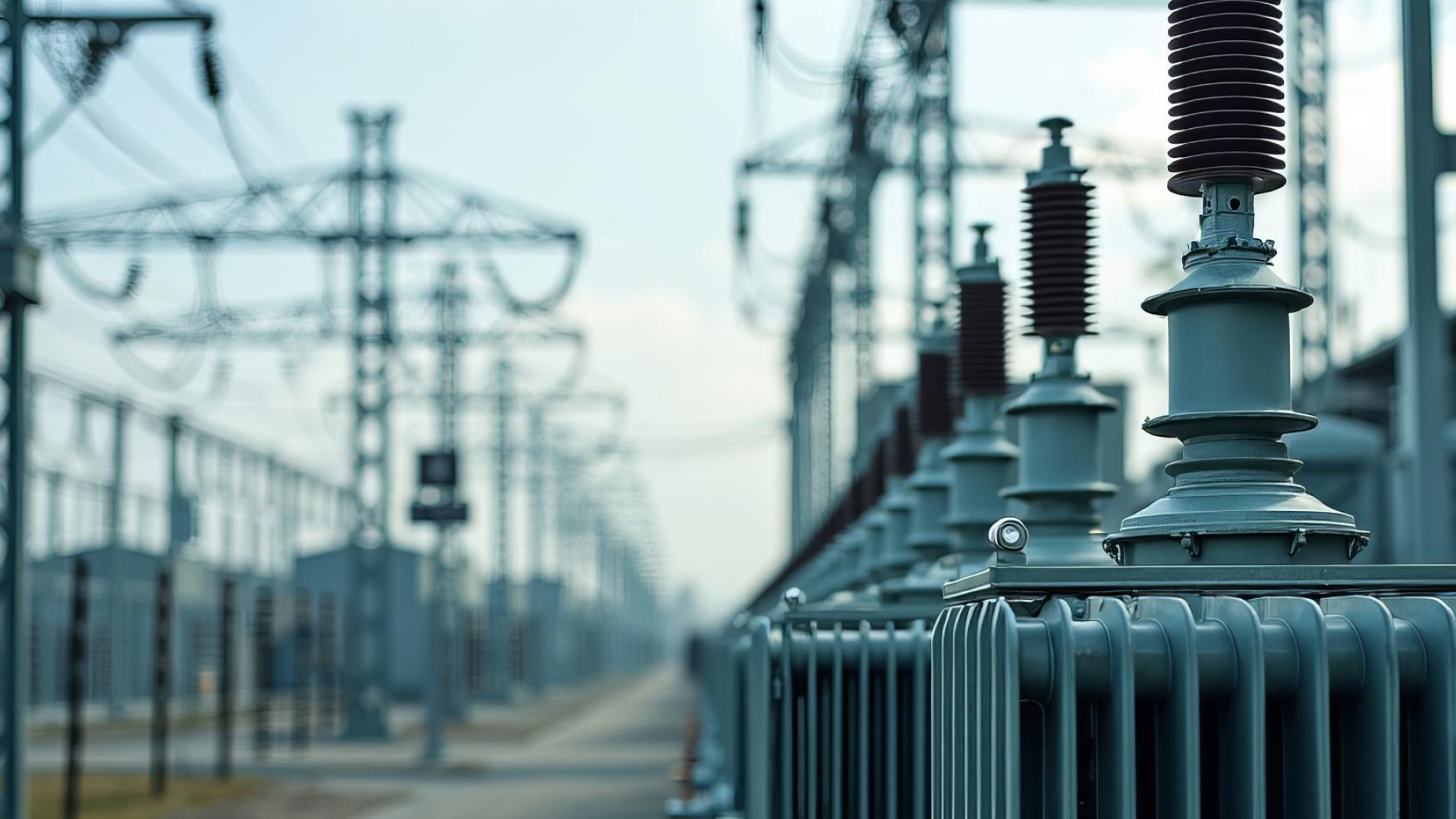

As a manager overseeing high-voltage assets, you understand that reliability often hinges on the smallest components within your electrical power systems. Data from the Australian CIGRE Panel indicates that nearly 16% of transformer failures originate within transformer bushings, triggering disproportionately expensive operational downtime and power outages.
While these components represent only a fraction of your total capital expenditure, a transformer bushing failure often results in catastrophic damage to your electrical equipment. You need to look beyond basic engineering to understand their strategic value and inherent risks, along with the impact on long-term OPEX.
This blog explores the operational realities of transformer bushings to help you make informed decisions for your grid modernization strategy. We will also look at how specific insulating material technologies and maintenance protocols can strengthen your network against increasingly aggressive environmental conditions.
What is a Transformer Bushing?
A transformer bushing is an insulated device designed to allow a high-voltage conductor to pass safely through a grounded tank wall. By bridging the gap between internal windings and the external grid, the transformer bushing manages extreme electrical stress while maintaining a hermetic seal.
This critical interface contains high voltage potentials without compromising the structural integrity of the main transformer tank. Acting as a protective seal, the transformer bushing prevents environmental contaminants from entering while guiding current flow out to the transmission network.
Key Components of a Transformer Bushing
To understand the design of transformer components like the bushing, you must look at the three elements that work together to maintain integrity during continuous high-voltage operations.
- The Electrical Conductor: This central element, usually made from copper or aluminum, serves as the primary path for electricity. It must have adequate current-carrying capacity to handle thermal loads without degrading the sensitive insulation layers surrounding the transformer bushing.
- The Insulation Core: Acting as the primary barrier, this core utilizes oil, treated paper, or nylon resin to contain high voltage. It effectively manages the electric field to prevent electrical breakdown between the live conductor and the grounded tank.
- The External Housing: Constructed from porcelain or composite silicon, this shell shields internal components. It ensures the bushing surface remains intact against elements like lightning strikes, providing essential mechanical strength while sealing out moisture that could compromise the dielectric core.
What are Transformer Bushings Used For?
A transformer bushing is a critical component of your entire electrical infrastructure. Here are three non-negotiable functions it performs to keep your facility running and your team safe.
- Electrical Isolation & Safe Passage: The transformer bushing insulates high-voltage current from the grounded tank, preventing dangerous short circuits during daily operation. You have to rely on this safe passage to guide energy out of the transformer without risking equipment damage or creating serious safety hazards for your team.
- Mechanical Support: Transformer bushings provide the physical strength needed to hold heavy conductors against the tension of connected transmission lines. They are built to withstand constant vibrations and seismic shocks, ensuring the unit stays aligned and the internal oil seal remains completely intact.
- Ensuring Grid Uptime: A healthy transformer bushing is essential for a reliable transformer, while a damaged one is a ticking clock for unplanned outages. By prioritizing the condition of this component, you can secure the reliability of your entire substation and protect thousands of customers.
Types of Transformer Bushings
Transformer bushings are categorized by voltage handling and insulation material to match specific operational requirements.
By Voltage
- Solid (Non-Condenser) Transformer Bushings: These are the standard choice for lower voltage needs, featuring a conductor wrapped in basic porcelain or epoxy insulation. You will find them to be a highly cost-effective option for distribution transformers where electrical pressure is low and keeping the budget in check is a priority.
- Condenser Transformer Bushings (The High-Voltage Standard): Built specifically to handle high-voltage transmission, these units use special conductive layers hidden within the insulation to distribute electrical current evenly. This smart design prevents dangerous hot spots of electrical stress, significantly reducing the risk of sudden insulation failure in your high-capacity transformer bushing.
By Material
- Oil Impregnated Paper (OIP) Transformer Bushings: This traditional option uses paper insulation soaked in mineral oil, giving you a solution with a long history of proven dependability. However, you must constantly manage the risk of messy oil leaks and the serious fire hazard these transformer bushings pose if they ever fail.
- Resin Impregnated Paper (RIP) Transformer Bushings: Manufacturers soak the paper core in hard epoxy resin instead of oil, creating a solid insulation system that cannot leak. You eliminate the headache of oil spills completely while gaining better heat resistance and much higher fire safety ratings for your most important infrastructure assets.
- Resin Impregnated Synthetic (RIS) Transformer Bushings: This advanced tech replaces paper with a synthetic mesh that absorbs almost no moisture, whether in storage or during active operation. With an RIS transformer bushing, you get all the safety benefits of RIP technology along with faster delivery times and good durability in humid climates.
- Gas Insulated (SF6): These bushings rely on compressed sulfur hexafluoride gas to insulate the current, typically used in specialized switchgear setups. While they handle electricity extremely well, you must monitor these transformer bushings closely to meet the environmental rules regarding potential gas leaks.
By Usage
- Dead-Front Transformer Bushings: If safety is your priority in residential zones, choose these transformer bushings. They fully shield high-voltage parts to prevent accidental contact, making them the standard for pad-mounted units where you need to eliminate public risk.
- Live-Front Transformer Bushings: These units feature exposed terminals, giving your team direct access for faster maintenance. While they are more efficient, live-front transformer bushings require strict safety protocols. So, you should use them primarily in secure and restricted-access industrial substations.
Strategic Considerations When Choosing the Right Transformer Bushing
Your selection process of the right transformer bushing must account for specific operational challenges rather than opting for standard specifications that may not meet the needs.
Environmental Aggressiveness
You need to assess the physical conditions surrounding the substation to prevent premature component aging.
- High Pollution/Coastal Areas: Salt and industrial grime can coat standard porcelain transformer bushings, creating dangerous paths for electricity to flash over and trip systems. In these dirty zones, you should use composite housings because their surface naturally breaks up water to stop electrical tracking.
- Seismic Activity: If you manage assets in earthquake zones, relying on rigid porcelain can be a huge liability as it shatters easily. Flexible composite transformer bushings used in RIP or RIS units better withstand ground shaking without cracking or losing their seal.
Risk Appetite (Fire Safety)
For operators running crowded urban substations near critical buildings, minimizing fire risk is usually the most crucial operational goal.
A bad transformer bushing’s failure can ignite the main transformer oil, putting nearby equipment and your personnel in serious danger. By choosing dry-type transformer bushings, you remove the flammable oil risk found in old units, directly lowering your insurance profile.
Total Cost of Ownership (TCO) vs. Initial CAPEX
You must weigh the immediate procurement price against the long-term operational costs required to maintain the asset over decades.
- OIP transformer bushings are almost always cheaper upfront. However, they demand regular leak checks and expensive oil testing throughout their 30 to 40-year operational lifecycle. You will eventually spend more on labor and monitoring gear to maintain these units compared to modern dry-type options.
- RIP/RIS transformer bushings cost more initially but are virtually maintenance-free. These units do not require oil sampling, making them perfect for your remote or unmanned substation locations. You save money over the asset's life by reducing site visits and avoiding the costs of messy oil cleanup.
Standardization and Lead Times
In a time-sensitive supply chain, speed is essential to keeping your power generation fleet running at high availability.
Custom transformer bushings can take up to a year to arrive, leaving you vulnerable if a transformer fails unexpectedly. Experts recommend standardizing your specs to keep a few strategic spare transformer bushings on hand, ensuring fast recovery without wasting money.
5 Red Flags to Look Out For That Concern Bushings
You should be aware of these specific warning signs during routine inspections to prevent catastrophic failure events.
- Rising Tan Delta (Power Factor): This is your most reliable metric for tracking transformer bushing health. If the value trends upward during testing, the insulation is actively failing. You must schedule a replacement immediately, as this indicates permanent deterioration that will inevitably lead to a complete dielectric breakdown.
- Thermal ‘Hot Spots’: If an infrared scan reveals one transformer bushing running hotter than the others, you likely have loose internal connections. This excess heat is a critical warning sign of looming failure, demanding immediate attention to prevent a sudden and costly unplanned outage.
- Visible Oil Variations (OIP only): High oil levels usually mean water has entered the tank, while low levels point to a dangerous leak. Both situations severely compromise the transformer bushing’s insulation ability to handle voltage, forcing you to take the unit offline immediately to prevent a catastrophic failure.
- Audible Hissing or Buzzing: A healthy transformer bushing should operate silently. If you hear buzzing, it indicates internal electrical discharge known as ‘corona.’ This sound is the audible signal that insulation is fracturing, serving as the final warning before a major flashover occurs.
- Cracked Porcelain Glazing: Do not dismiss surface damage as cosmetic. Deep cracks weaken the transformer bushing physically and break the weather seal. This damage allows moisture to seep into the sensitive core insulation, triggering a dangerous flashover during the next heavy rainstorm.
Secure Your Grid’s Future With Ayr Energy
We understand the pressure you face to maintain grid reliability while managing aging infrastructure and tightening maintenance budgets. At Ayr Energy, we treat every single transformer bushing as a vital investment in your network's future.
We engineer our products to survive the most challenging environments, helping you balance immediate costs against the need for long-term durability. Our strict testing process guarantees that every transformer bushing exceeds the highest safety standards before it ever arrives at your substation site.
You deserve a strategic transformer provider who prioritizes your uptime goals and deeply understands the complex demands of modern grid stability.
Connect with our engineering team today to discuss your specific needs and secure your network with the most reliable transformer bushing technology available.